Dedicated server website hosting is the ultimate solution for businesses seeking unparalleled performance, security, and control over their online presence. Unlike shared hosting, where resources are divided among multiple websites, a dedicated server grants you exclusive access to the server's resources, ensuring optimal performance and scalability.
This translates to lightning-fast load times, enhanced security measures, and the flexibility to customize your server environment to meet your specific needs. Dedicated server hosting is ideal for businesses with high traffic websites, demanding applications, or sensitive data that requires top-notch security.
Imagine a website that consistently delivers a seamless user experience, even during peak traffic hours. Dedicated server hosting empowers you to achieve this and more. With dedicated resources, your website can handle massive traffic surges without compromising performance. You gain complete control over the server's operating system, software, and security settings, allowing you to fine-tune your environment for maximum efficiency.
This level of customization is crucial for businesses seeking to optimize their website's performance, enhance security, and gain a competitive edge.
Introduction to Dedicated Server Website Hosting
Dedicated server hosting is a type of web hosting where you get an entire physical server all to yourself. Unlike shared hosting, where multiple websites share the same server resources, dedicated servers offer exclusive access to the server's hardware and software.
This provides you with a high level of control, performance, and security.
Advantages of Dedicated Server Hosting
Dedicated server hosting offers several advantages over shared hosting, making it a compelling choice for businesses with demanding website needs.
- Enhanced Performance and Speed: Dedicated servers provide ample resources, such as powerful CPUs, ample RAM, and dedicated bandwidth, resulting in faster loading times and improved website performance.
- Increased Security and Control: With a dedicated server, you have complete control over the server's environment, allowing you to implement robust security measures and customize security settings to your specific requirements. This reduces the risk of security breaches and data loss.
- Greater Flexibility and Customization: Dedicated servers offer greater flexibility in terms of software installations, configurations, and customization options. You can tailor the server to meet your specific needs and run applications that may not be supported on shared hosting platforms.
- Scalability and Resource Allocation: Dedicated servers allow you to scale your resources as your website traffic and demands grow. You can easily upgrade your server plan to accommodate increased workloads without affecting other websites on the same server.
Target Audience for Dedicated Server Hosting

Dedicated server hosting is ideal for businesses that require the following:
- High Traffic Websites: Businesses with large websites that receive a high volume of traffic, such as e-commerce stores, online gaming platforms, or news portals, benefit from the increased resources and performance of dedicated servers.
- Demanding Applications: Websites that run resource-intensive applications, such as video streaming platforms, complex databases, or enterprise software, require the dedicated resources and control offered by dedicated servers.
- Specific Security Requirements: Businesses with sensitive data or regulatory compliance requirements often choose dedicated servers to ensure a secure and controlled environment.
Choosing the Right Dedicated Server
Selecting the right dedicated server for your needs requires careful consideration of several key factors. Here's a comprehensive guide to help you make an informed decision.
Key Factors to Consider
- Server Specifications: Consider the CPU power, RAM capacity, and storage space required to handle your website's workload. Choose a server with sufficient resources to ensure optimal performance and avoid bottlenecks.
- Operating System: Decide whether you need a Windows or Linux operating system based on your application requirements and technical expertise. Windows servers are generally more expensive but offer greater compatibility with certain applications.
- Bandwidth and Data Transfer: Determine the amount of bandwidth and data transfer you need to accommodate your website's traffic. Consider factors like file sizes, video streaming, and user activity.
- Server Location and Data Center Facilities: Choose a server located in a data center with reliable infrastructure, security measures, and proximity to your target audience to minimize latency and improve performance.
- Support and Maintenance Options: Evaluate the hosting provider's support services, including 24/7 availability, response times, and technical expertise. Consider managed hosting options for ongoing server maintenance and support.
Types of Dedicated Servers
| Server Type | Pros | Cons | Best Use Cases |
|---|---|---|---|
| Physical Dedicated Server | Complete control over hardware and software, high performance, excellent security | High upfront cost, requires technical expertise for management | High-traffic websites, demanding applications, businesses with specific security needs |
| Virtual Dedicated Server (VPS) | More affordable than physical servers, scalable resources, easy management | Shared resources with other VPSs, potential performance limitations | Small to medium-sized businesses, websites with moderate traffic, testing and development environments |
| Cloud Dedicated Server | Highly scalable, flexible resource allocation, pay-as-you-go pricing | Potential latency issues, reliance on third-party infrastructure | Businesses with fluctuating traffic, large-scale applications, cloud-native deployments |
Setting Up and Managing a Dedicated Server
Setting up and managing a dedicated server requires a certain level of technical expertise. However, with the right resources and guidance, the process can be streamlined.
Steps Involved in Setting Up a Dedicated Server
- Choose a Hosting Provider and Select a Server Plan: Research reputable hosting providers and select a server plan that meets your specific requirements in terms of specifications, bandwidth, and support services.
- Install the Operating System and Required Software: Once your server is provisioned, you need to install the operating system (Windows or Linux) and any necessary software, such as web servers (Apache, Nginx), databases (MySQL, PostgreSQL), and programming languages.
- Configure Security Settings and Firewalls: Implement robust security measures, including firewall configurations, intrusion detection systems, and secure password policies, to protect your server from unauthorized access and cyber threats.
- Set Up Domain Names and DNS Records: Configure your domain names and DNS records to point to your dedicated server's IP address. This ensures that users can access your website correctly.
Methods for Managing a Dedicated Server
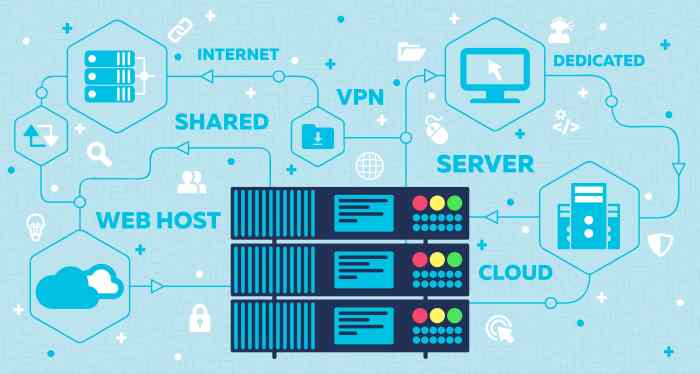
- Remote Access via SSH or RDP: Use secure shell (SSH) for Linux servers or remote desktop protocol (RDP) for Windows servers to connect to your server remotely and manage it from any location.
- Web-Based Control Panels: Control panels like cPanel or Plesk provide a user-friendly interface for managing your server's settings, applications, and user accounts.
- Command-Line Interfaces: Experienced users can use command-line interfaces to access and manage server settings directly, providing greater flexibility and control.
Security and Performance Optimization: Dedicated Server Website Hosting
Maintaining a secure and high-performing dedicated server is crucial for website reliability and user satisfaction. Implementing proper security measures and performance optimization techniques is essential.
Security Measures for Dedicated Servers

- Regular Security Updates and Patching: Keep your operating system, software, and applications updated with the latest security patches to mitigate vulnerabilities and prevent attacks.
- Firewall Configuration and Intrusion Detection: Configure your firewall to block unauthorized access and use intrusion detection systems to monitor for suspicious activity and alert you to potential threats.
- Secure Password Policies and Access Control: Enforce strong password policies for all user accounts and implement granular access controls to limit access to sensitive data and critical server functions.
- Data Backups and Disaster Recovery Plans: Regularly back up your server data to ensure that you can restore your website in case of data loss or system failure. Develop a comprehensive disaster recovery plan to minimize downtime and data loss.
Performance Optimization Techniques, Dedicated server website hosting
- Server Configuration and Tuning: Optimize your server's configuration by adjusting settings, such as CPU and RAM allocation, to maximize performance and efficiency.
- Content Delivery Networks (CDNs): Use a CDN to cache your website's static content on servers distributed across the globe, reducing loading times and improving performance for users in different locations.
- Load Balancing and Caching Mechanisms: Implement load balancing to distribute traffic across multiple servers, preventing overload and ensuring website availability. Use caching mechanisms to store frequently accessed content in memory, reducing server load and improving response times.
Cost Considerations and ROI
Dedicated server hosting involves ongoing costs, but the investment can yield significant returns for businesses that rely on their websites for revenue and operations.
Cost Factors
- Server Rental Fees: Dedicated server plans vary in price depending on server specifications, bandwidth, and support services. You'll typically pay a monthly or annual fee for server rental.
- Bandwidth and Data Transfer Charges: You may incur additional charges for exceeding your allocated bandwidth or data transfer limits. Consider your website's traffic patterns and file sizes when choosing a plan.
- Maintenance and Support Costs: Factor in costs for server maintenance, security updates, and technical support. Managed hosting options often include these services at an additional cost.
- Software Licenses and Add-ons: You may need to purchase software licenses for operating systems, databases, and other applications. Consider any additional features or add-ons that may be required.
Return on Investment (ROI)
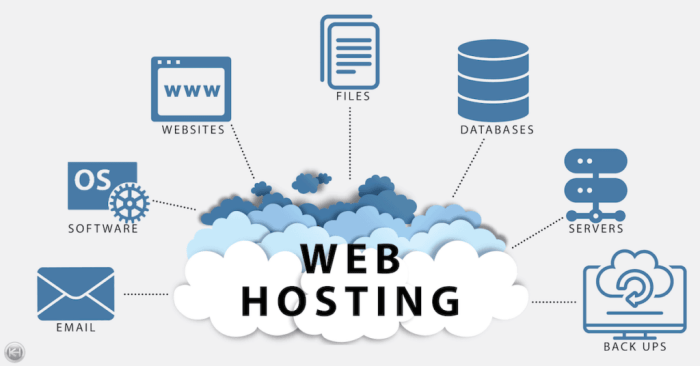
Dedicated server hosting can provide a strong ROI for businesses by:
- Increased Revenue: Improved website performance, faster loading times, and reduced downtime can lead to increased conversions, sales, and revenue.
- Enhanced Customer Satisfaction and Loyalty: A fast and reliable website improves user experience, leading to higher customer satisfaction and loyalty.
- Reduced Downtime and Operational Costs: Dedicated servers offer greater control and security, reducing the risk of downtime and minimizing operational costs associated with website outages.
Real-World Examples and Case Studies
Numerous businesses have successfully implemented dedicated server hosting and reaped the benefits. Here are a few examples:
- E-commerce Store: An online retailer experienced significant growth in website traffic and sales after migrating to a dedicated server. The increased performance and security provided by the dedicated server enabled them to handle the increased workload and ensure a smooth customer experience.
- Gaming Platform: A gaming company deployed a dedicated server cluster to host their online multiplayer game. The dedicated servers provided the necessary resources and performance to handle the high volume of players and ensure a seamless gaming experience.
- Financial Services Company: A financial services firm migrated their critical applications to a dedicated server to enhance security and compliance. The dedicated server environment allowed them to implement robust security measures and meet regulatory requirements.
Last Word
In the digital landscape, a dedicated server hosting solution is a strategic investment that empowers businesses to elevate their online presence. It provides the foundation for a robust, scalable, and secure website infrastructure, enabling businesses to achieve their online goals with confidence.
By harnessing the power of dedicated servers, businesses can unlock their website's full potential, deliver exceptional user experiences, and thrive in the competitive online world.
Commonly Asked Questions
What are the common types of dedicated servers?
Dedicated servers come in various forms, including physical servers, virtual servers, and cloud servers. Each type offers distinct advantages and disadvantages, catering to specific needs and budgets.
How much does dedicated server hosting cost?
The cost of dedicated server hosting varies depending on factors such as server specifications, location, and hosting provider. It's essential to compare different providers and their pricing plans to find the most suitable option for your budget and requirements.
What are the key benefits of dedicated server hosting over shared hosting?
Dedicated server hosting offers several advantages over shared hosting, including enhanced performance, increased security, greater control, and scalability. It's a more robust and reliable solution for websites with high traffic, demanding applications, or sensitive data.
How do I choose the right dedicated server for my needs?
Selecting the right dedicated server involves considering factors such as your website's traffic, resource requirements, security needs, and budget. It's crucial to choose a server with sufficient CPU, RAM, storage, and bandwidth to handle your website's workload.
Can I manage a dedicated server myself?
While you can manage a dedicated server yourself, it requires technical expertise. Many hosting providers offer managed server options where they handle server maintenance, security updates, and other technical aspects.
